Establishing a relaxation space at home can significantly enhance your well-being, particularly during times of stress or emotional upheaval. By creating an environment that encourages calmness and tranquility, you can use gentle yoga as a powerful tool for stress relief and mental clarity. This article explores how to design your personal sanctuary for relaxation, incorporating slow yoga practices that help regulate the nervous system and promote emotional balance.
Designing Your Relaxation Space
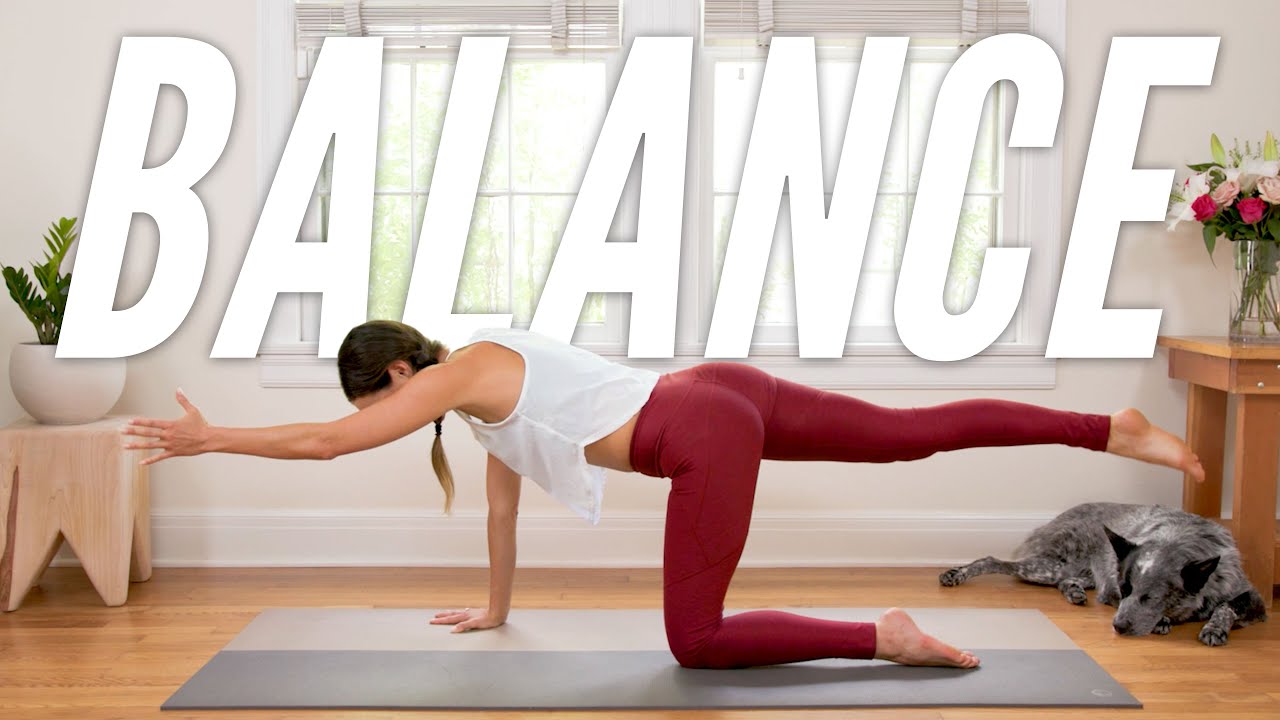
The first step in creating an effective relaxation space is selecting the right location within your home. Ideally, this should be a quiet area away from distractions. Consider a corner of your living room, a spare bedroom, or even a balcony if it offers privacy. The space should feel inviting and comfortable, allowing you to fully immerse yourself in your practice.
To enhance the ambiance, pay attention to lighting and decor. Soft lighting is key; think about using lamps with warm-toned bulbs or fairy lights. If possible, choose natural light during the day to create a serene atmosphere. Adding plants can also improve air quality while providing a sense of connection to nature. Choose low-maintenance indoor plants like snake plants or peace lilies that require minimal care but View website bring life into your space.
Next, consider adding elements that promote comfort — plush cushions, blankets, or even a yoga mat designated for relaxation practices will make your space more inviting. Incorporating calming scents through essential oils or scented candles can further aid in stress reduction. Scents like lavender and chamomile are particularly effective for promoting relaxation.
The Role of Gentle Yoga
Gentle yoga is characterized by its slow pace and focus on mindfulness rather than intensity or competition. This practice is especially beneficial for those dealing with anxiety or stress-related issues. It encourages deeper breathing and helps release physical tension accumulated throughout the day.
When practicing gentle yoga for stress relief at home, aim for sequences that prioritize relaxation over exertion. Poses such as Child’s Pose, Legs-Up-The-Wall Pose, and Seated Forward Bend are excellent choices that promote calmness and grounding.
Stress-Reducing Yoga Poses
Child’s Pose (Balasana): This pose promotes relaxation by gently stretching the back while encouraging deep breathing. Cat-Cow Stretch (Marjaryasana-Bitilasana): This dynamic movement helps release tension in the spine while synchronizing breath with movement. Seated Forward Bend (Paschimottanasana): Perfect for calming the mind and stretching the hamstrings simultaneously. Corpse Pose (Savasana): Often used at the end of a practice; it allows total body relaxation and mental stillness. Legs-Up-The-Wall Pose (Viparita Karani): An excellent restorative pose that reduces anxiety by promoting circulation and calming the nervous system.Incorporating these poses into your routine can significantly alleviate feelings of overwhelm or burnout.
Calming Yoga Sequences
A gentle flow sequence might include starting with a few moments of seated meditation to ground yourself before transitioning into gentle stretches. For example, begin with neck rolls to release tension followed by some seated side bends to open up the sides of your body.
As you move through each pose slowly, focus on your breath — inhaling deeply through the nose and exhaling slowly through the mouth helps regulate emotions effectively. You might also explore restorative yoga practices which involve longer holds in gentle poses supported by props like blankets or bolsters.
Mindful Breathing Techniques
Breathwork is an integral component of any yoga practice focused on relaxation from home. Here are two techniques worth integrating:
- Diaphragmatic Breathing: Sit comfortably or lie down flat on your back with one hand on your chest and another on your belly. Inhale deeply through your nose so that only your belly rises while keeping your chest relatively still. 4-7-8 Breathing Technique: Inhale quietly through your nose for four seconds; hold this breath for seven seconds; then exhale completely through your mouth for eight seconds making a whooshing sound as you expel air from your lungs.
Both techniques help calm the mind while regulating emotional responses to stressors throughout the day.
Overcoming Challenges
While establishing this practice may seem straightforward, it's important to recognize potential challenges along the way—distractions may arise whether from household responsibilities or external noise sources outside of our control.
Setting specific times during which you dedicate yourself solely to this relaxing ritual can help mitigate distractions; try committing just 10 minutes daily at first if you're new to yoga practice before gradually increasing time as comfort grows.
Creating an inviting environment paired with consistent gentle yoga practices offers tremendous benefits not just physically but mentally too – reducing anxiety levels while fostering emotional balance over time without needing intense workouts or complicated routines.
Embracing Your Journey
Ultimately, building a relaxation space at home where gentle yoga becomes part of daily life is about embracing self-care rituals that support overall wellness goals—especially when juggling life's demands feels overwhelming sometimes!
Remember that progress takes time—both in cultivating this tranquil environment and mastering various poses—but every small step forward counts towards achieving greater peace within yourself amid external chaos around us every day!
With patience and commitment toward nurturing not only our physical bodies but also our minds through mindful movements accompanied by deep breaths—we open avenues leading us closer toward lasting serenity even as we navigate challenges presented by everyday life experiences!